
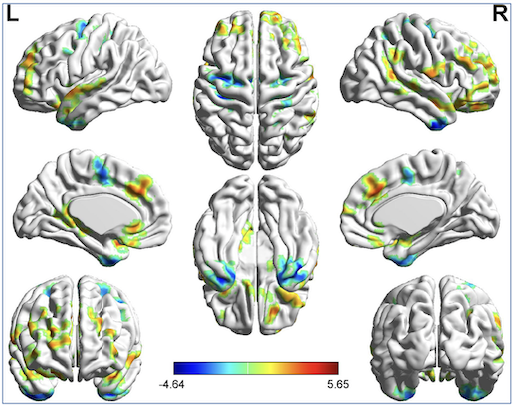
Description
Proprioception and the CNS
Instructor: James Demetrious, DC, DABCO
Cost: $25 – 1 CE Hour
Course Description:
- This course explores the critical role of proprioception and sensorimotor integration, with emphasis on its influence on the central nervous system in the context of chiropractic care. Proprioceptive input from spinal and extremity mechanoreceptors provides continuous afferent feedback to the brain, shaping motor planning, balance, coordination, and pain modulation. Chiropractic assessment and care may influence the quality and accuracy of this afferent input, thereby impacting cortical processing, adaptive neuroplasticity, and functional outcomes in patients with neuromusculoskeletal dysfunction.
Hourly Breakdown:
- Hour 1:
- During this one-hour lecture, the foundational role of proprioception in neuromusculoskeletal health and its continuous influence on central nervous system function is discussed.
- Key points include the neuroanatomy and physiology of proprioceptive pathways, the impact of altered afferent input on motor control, balance, and pain processing, and the concept of maladaptive versus adaptive neuroplasticity.
- The discussion examines how joint dysfunction, injury, and altered movement patterns can degrade proprioceptive signaling and contribute to central sensitization or impaired sensorimotor integration.
- Clinical correlations are emphasized, highlighting how chiropractic assessment and care may influence afferent input, support normalization of sensorimotor processing and improve functional outcomes.
- Practical examples and emerging research are reviewed to reinforce the relevance of proprioception-centered approaches in evidence-based chiropractic practice.
Learning Objectives:
-
- Describe the neurophysiological mechanisms by which proprioceptive afferent input influences central nervous system processing, including sensorimotor integration and motor control.
- Explain the relationship between altered proprioception, neuromusculoskeletal dysfunction, and maladaptive central nervous system responses such as impaired coordination, balance deficits, and pain perception.
- Apply proprioceptive principles to chiropractic clinical decision-making, including assessment strategies and care approaches aimed at optimizing sensorimotor function and improving patient outcomes.
Speaker: James Demetrious, DC, DABCO

Dr. James Demetrious is a nationally distinguished, board-certified chiropractic orthopedist. He is a clinician, educator, author, and editor. Dr. Demetrious is the co-founder and CEO of PostGradDC. He is a member of the NCMIC Speakers’ Bureau and teaches post-graduate coursework throughout the United States. He has published peer-reviewed journal articles on advanced differential diagnosis. Dr. Demetrious provided chiropractic care to patients for 40 years.


